Karol Leszczyński Build & Develop PL

Web applications and custom software for companies.

I build custom web applications: systems that run a company's daily work and products your clients pay to access. Design, code, payments, server, and maintenance stay with one person, from the first conversation through years of growth.

from 15,000 zł
starting price of an application
5
own applications maintained daily
since 2009
working on online projects

Types

An application for your team or a product for your clients.

The first conversation starts with settling who will use the application. Everything downstream depends on it: the screen layout, the way people sign in, and whether payments are needed at all.

A tool for your team

Work that is currently scattered across a spreadsheet, email, and a notebook.

  • orders, clients, and deadlines in one place
  • access from the office, from home, and from a phone
  • separate permissions for every role in the company
  • a live view of where every case stands

No more asking who has the case and digging for files in email.
A product for your clients

A service your clients pay for and use on their own.

  • sign-up, accounts, and a client panel
  • payments and auto-renewing subscriptions
  • plans, limits, and usage-based billing
  • measurement of what users actually do

You sell subscription access, and revenue grows with the number of clients.

Uses

What an application can take over.

Below are the areas I get asked about most often. An application usually combines several of them, because inside a company everything is connected anyway.

Orders and projects

Incoming requests, assignment to people, statuses, deadlines, and change history. All of it visible to the whole team.

Clients and sales

A contact database, offers, contracts, and follow-up reminders. Data goes in once and is available everywhere.

Bookings and schedules

A calendar with availability, client sign-ups, confirmations, and reminders sent automatically.

Warehouse and assets

Stock levels, releases, equipment assigned to an employee, inspections, and service dates.

Documents and billing

Contracts and invoices generated from the data in the system, an approval flow, and a searchable archive.

Reports and metrics

The numbers you actually look at, refreshed on their own, straight from the system.

Timing

When is custom software worth it?

  • work critical to the company sits in a spreadsheet only one person understands
  • you retype the same data between programs by hand
  • an off-the-shelf program covers 70% of your process and the rest happens next to it
  • you pay per-user licence fees while the team keeps growing
  • you want to sell access to a tool rather than just your own time
  • you have an idea for a product and need its first working version

If at least two of these points sound familiar, a conversation usually makes sense. During it I say plainly whether I see a cheaper route to the same goal.

Scope

What you get.

Accounts and permissions

  • sign-in with two-factor confirmation
  • roles: owner, employee, accounting, client
  • access limited to what each person needs
  • a history of sign-ins and data changes

Panel and daily use

  • a layout designed around everyday tasks
  • search and filters across your data
  • works on phones and tablets
  • spreadsheet export when something needs passing along

Payments and subscriptions

  • card, BLIK, Przelewy24, and bank transfer
  • subscriptions renewed automatically
  • plans, limits, and balance top-ups
  • invoices issued without your involvement

Background jobs

  • long operations run outside the browser
  • a queue that retries after an error
  • notifications by email and in the app
  • recurring jobs at a set time

Connections to other systems

  • data import and export for the programs you use
  • your own API for partners and integrators
  • webhooks announcing events
  • sign-in with a Google or Microsoft account

Server and data

  • a server sized for the real load
  • daily backups with restore tests
  • availability monitoring every few minutes
  • data in the European Union, GDPR-compliant

Projects

Applications I built and still run today.

Everything below has real users, payments, and its own backend. I maintain these applications personally, so I see how they behave after years in service. How one of them is built and what it costs to run is covered in the post how I built Matury Online.

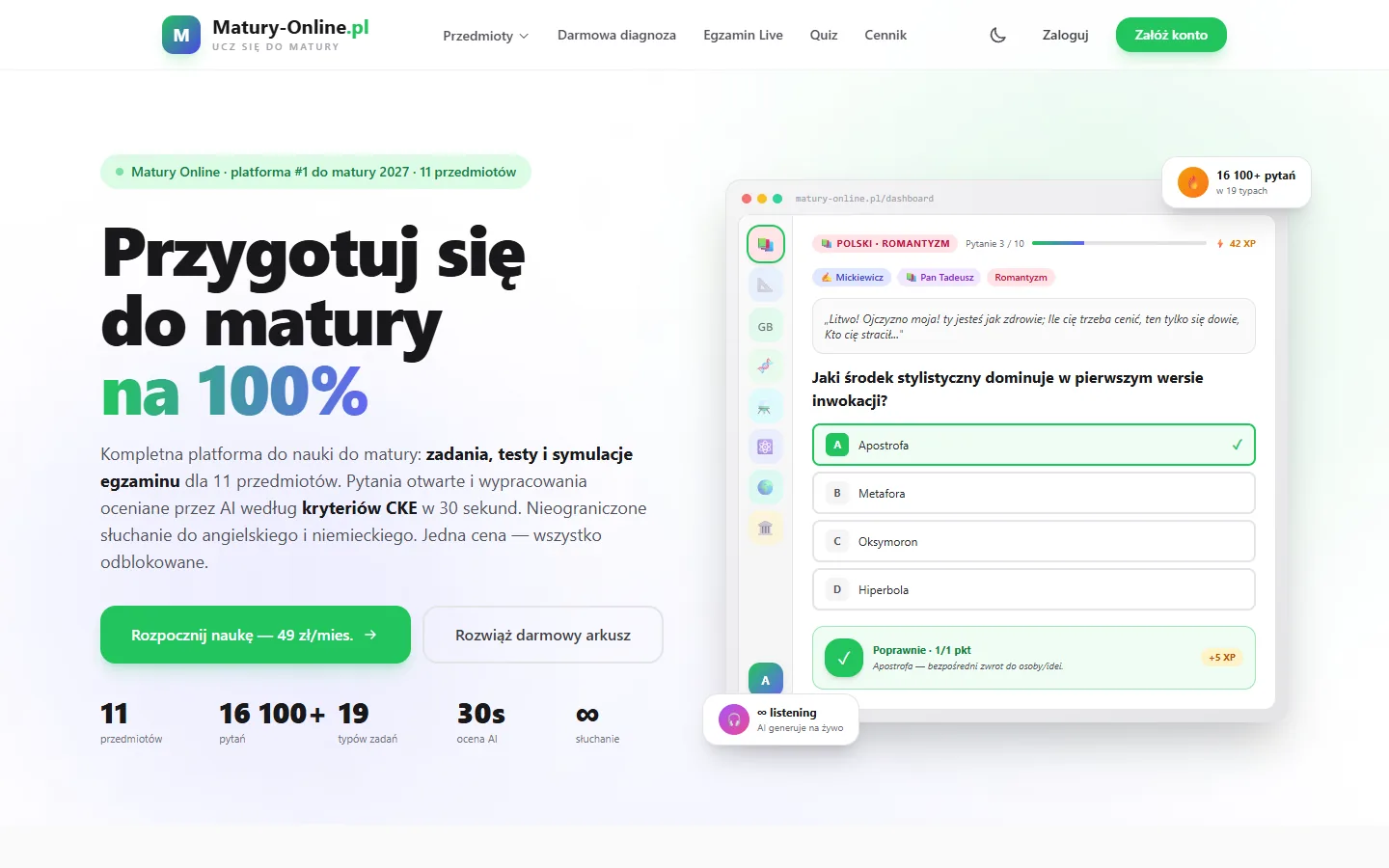
The Matury Online application The Matury Online application

Matury Online

An education platform with payments

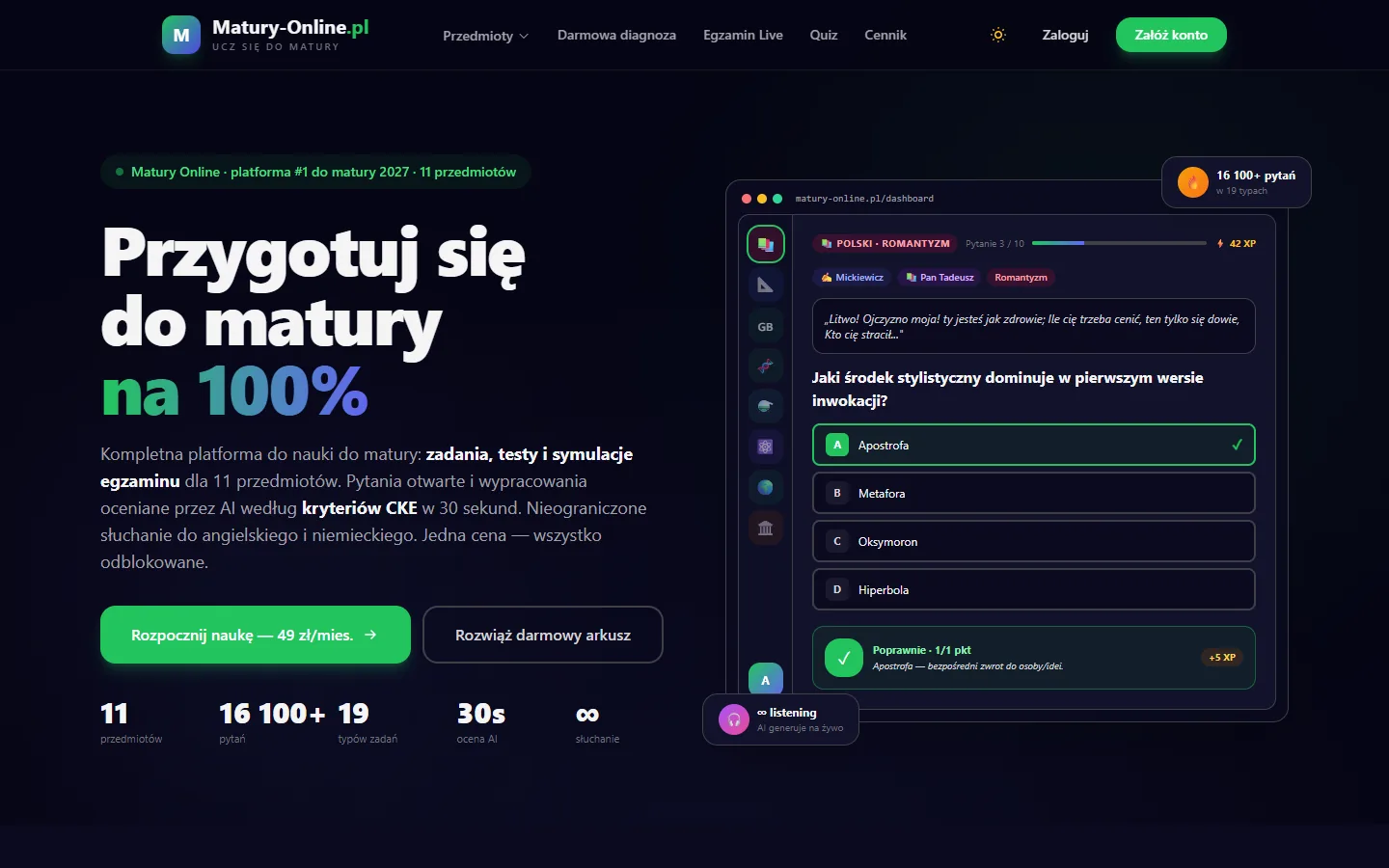
Student accounts, eleven subjects, over 16,000 questions, a full exam mode, and essay grading based on national exam-board criteria. Listening recordings for foreign languages are generated during the exercise.

  • 11 subjects
  • 16,100+ questions
  • mobile app on the same backend
Open matury-online.pl
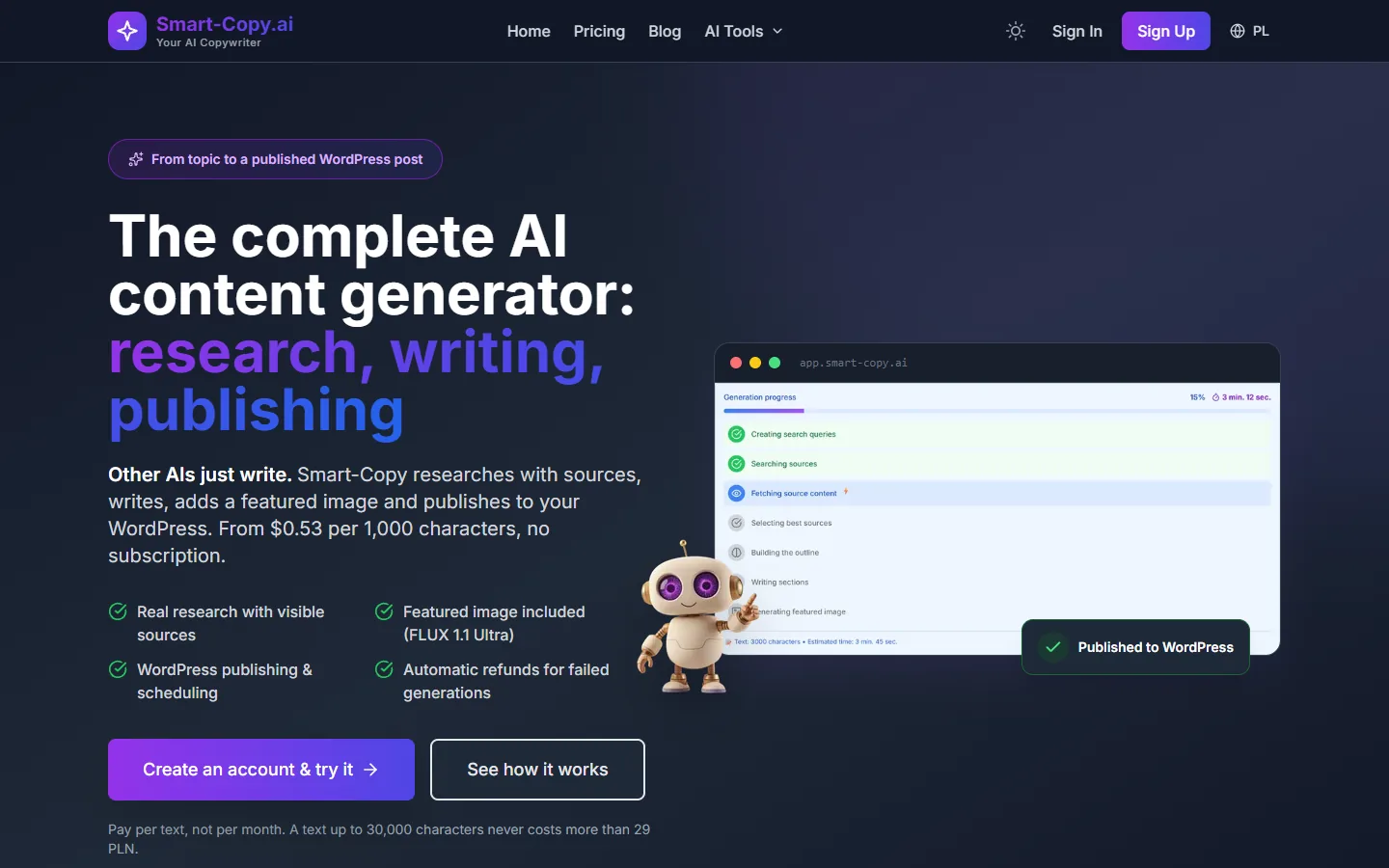
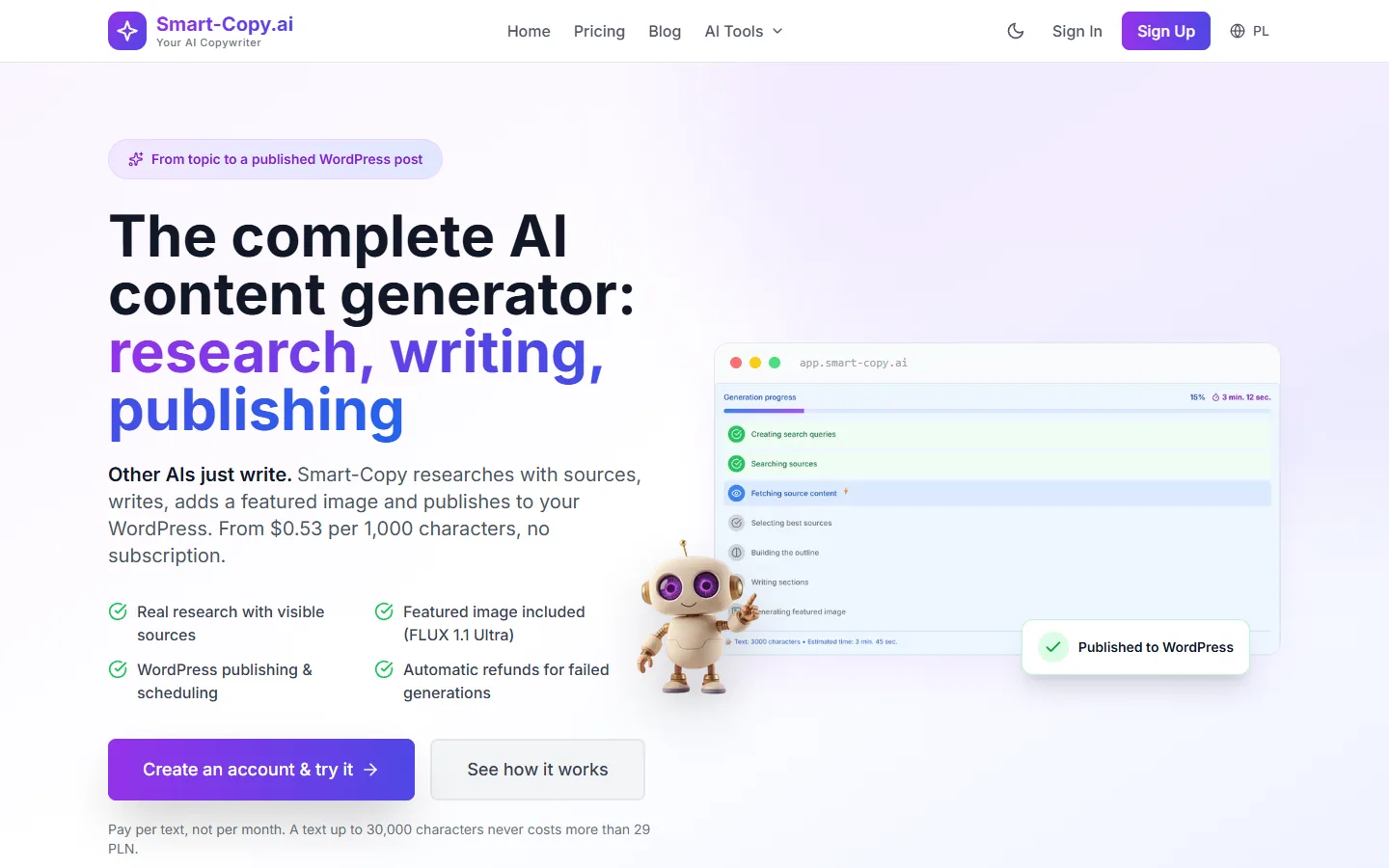
The Smart-Copy application The Smart-Copy application

Smart-Copy

A product sold by subscription

Balance-based billing, a job queue, and an automatic refund when a job fails. The same backend serves the panel, the mobile app, a public API, and the Zapier and n8n integrations.

  • Public API and webhooks
  • Queue with automatic refunds
  • Panel, phone, and integrations
Open smart-copy.ai
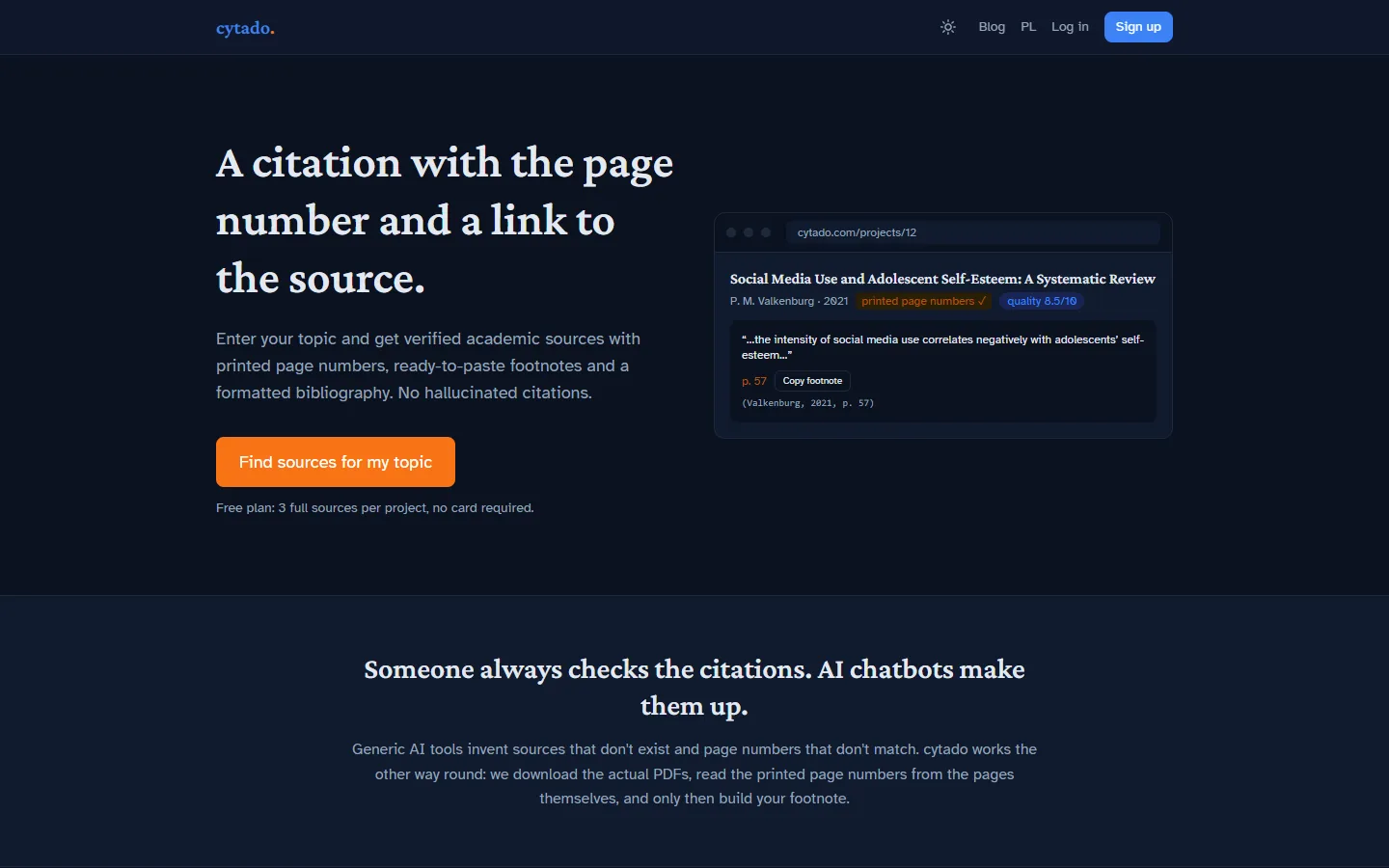
The Cytado application The Cytado application

Cytado

A tool with add-ins for other programs

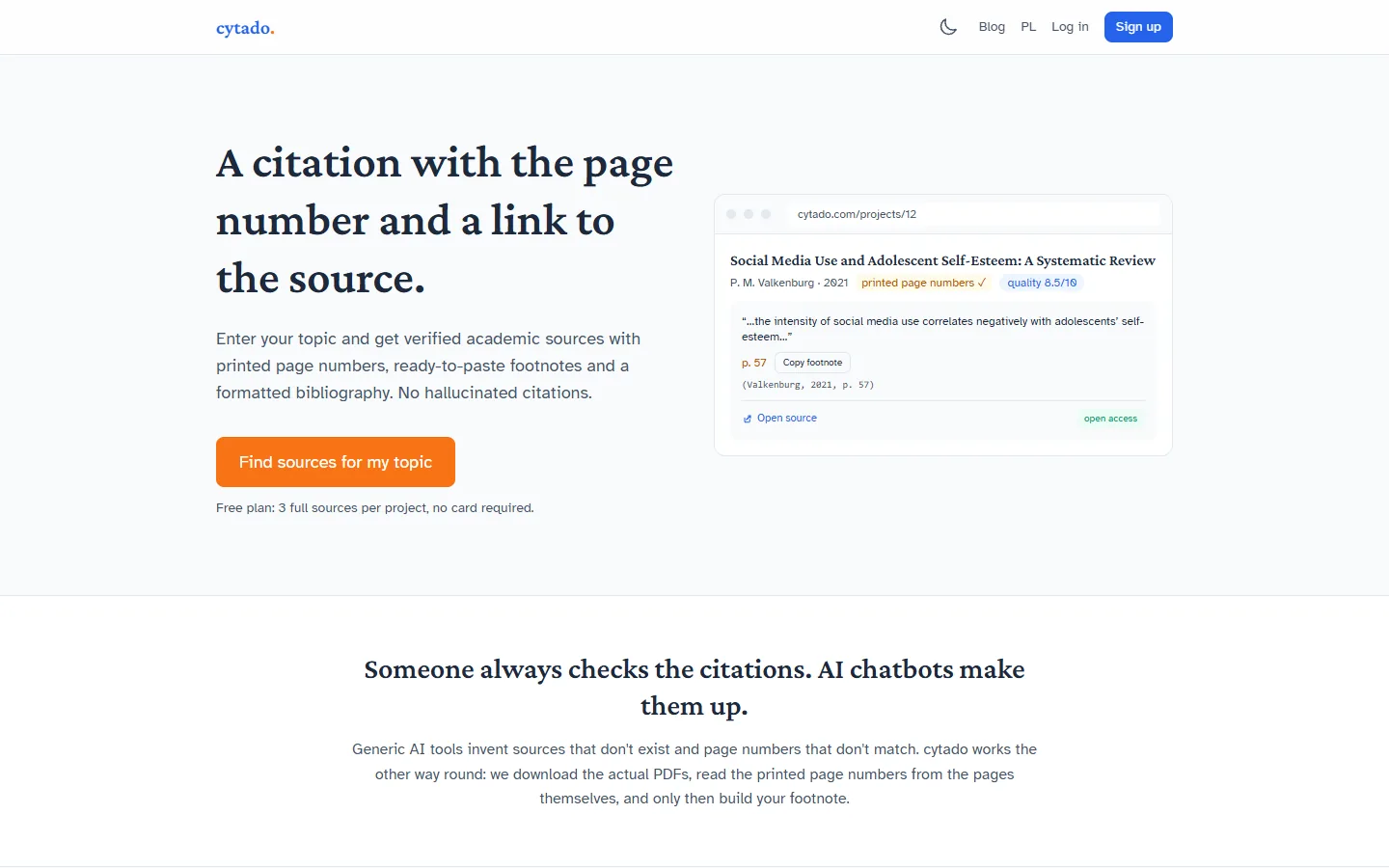
The application fetches documents, reads the page numbers printed in them, and builds citations from that. The same user works with it in the browser, in Word, and in Google Docs, on a single account.

  • One account in several places
  • Works on documents
  • Every result with its source
Open cytado.com

Technology

What it runs on.

The same set powers my education platform, a content generator, and an online store. The logic changes, the foundation stays — so each next launch costs a fraction of the first, and you never pay for the basics to be reinvented.

Backend

Node with TypeScript on an AWS server. Restarts with no downtime, so updates ship during working hours.

Data

PostgreSQL, a database proven in financial systems. Daily backups, with regular restore tests.

Interface

React and Astro. The application opens fast and works the same on a desktop and on a phone.

Infrastructure

Servers, files, and email in the AWS cloud, in data centres within the European Union.

Price

How much does a web application cost?

The first working version starts at 15,000 zł net. A larger system with several roles, payments, and connections to other programs usually lands between 30,000 and 80,000 zł. I quote in stages, so you pay for the next step once the previous one works.

from 15,000 złnet, first version

What drives the price:

  • Number of screens Every view means design, code, and tests. A five-screen application and a fifty-screen one are different scales.
  • Roles and permissions A single user type is simple. Four roles with different access to the same data take more work.
  • Connections to systems Every program the application talks to means separate authentication, tests, and error handling.
  • Payments A one-off charge is simple. Subscriptions, plans, and usage billing form a separate module.
  • AI features When the application reads documents or generates text, a model and its per-call costs join the project.
  • Data migration Import from spreadsheets or an old program, together with untangling what drifted apart over the years.

Maintenance comes on top — server, backups, monitoring, and updates — from 600 zł per month, depending on load.

Calculator

Estimate the scope of your application.

Tick what it should include. The amount recalculates as you go and shows what each item adds.

Who will use it
Size
Features
Data and connections

Process

From idea to the first working version.

  1. 01 1 day

    A conversation

    You describe how the work runs today and what should change. After an hour it is usually clear where to start.

  2. 02 3–7 days

    Scoping

    Features split into what must be there at launch and what can wait. This is the cheapest moment for decisions.

  3. 03 2–3 days

    Quote and schedule

    A price for the first working version, a deadline, and a list of what is included. One amount per stage.

  4. 04 4–10 weeks

    First version

    I build what is genuinely needed for the work and put it under an address you can access from day one.

  5. 05 2–4 weeks

    Live operation

    The team starts using it and I fix whatever gets in the way. This stage changes the most.

  6. 06 ongoing

    Growth

    Further features added when they are needed, in an order driven by how you actually use the system.

After launch

You end up with a working application and full access.

Team training

A session on your own data, run separately for employees and for the person in charge. The recording stays with you.

Code and access

A code repository, server access, and documentation. Everything registered to your company.

A month of support included

For the first month after launch I fix and explain as much as needed, within the implementation price.

Care and growth

Server, backups, monitoring, and updates from 600 zł per month. New features quoted separately.

Questions

The questions I hear most often.

How much does a web application cost?

The first working version starts at 15,000 zł net. A larger system with several roles, payments, and connections to other programs usually lands between 30,000 and 80,000 zł. I quote after scoping, as a single amount per stage.

Why is this cheaper than a software house?

I work alone, so the price carries no project manager, salesperson, or office. The same person talks to you, designs, writes the code, and runs the server, which means you never pay for tasks being handed around or context being explained again.

How long does building an application take?

A first version you can genuinely work with takes four to ten weeks. Growth then proceeds in stages of a few weeks each. We start with what the work requires; the rest arrives in later versions.

When does custom software make sense?

When your company's process differs from what off-the-shelf programs handle, when you pay per-user licences with a growing team, or when you want to sell access to your own tool. On the first call I say plainly which option will cost you the least.

Who owns the code?

You do, together with the copyright. You get the repository and full server access, so you can hand development to someone else, or to your own team, at any moment.

Where is the data kept?

On AWS cloud servers, in data centres within the European Union, in line with GDPR. Backups run daily, and every so often I check that a full restore actually works.

Will the application connect to the programs we use?

In most cases, yes. I have connected systems to Allegro, BaseLinker, warehouse and invoicing programs, and Google Sheets. If a program offers an API or file export, it can be done. I confirm this at the quoting stage.

What if our needs change?

The application is designed for features to be added. I quote new modules separately and roll them out in stages, with no interruption to work. Several of my own products have grown this way for years.

Will you build a phone app too?

Yes. The mobile app uses the same backend as the browser version, so data and logic are shared. That is how Matury Online works, where the same user moves from desktop to phone with progress intact.

Related services

What else I do.

Projects rarely stop at one thing — here is the rest of what I do, each with its starting price.

Order

Tell me how this work looks today. I'll map out the rest.

A few sentences about what you do by hand, or about the product you want to build, are enough. I'll reply with a proposed scope, a quote for the first version, and a schedule — usually the same day.