Karol Leszczyński Build & Develop PL

Mobile app development, from idea to store.

I build apps for Android and iPhone from one codebase, on a backend shared with the browser version. I also handle the part few people warn you about: publisher accounts, the required documents, and review at Google Play and the App Store, until the app is available to download.

from 30,000 zł
an app with its own backend
from 15,000 zł
when the web backend already runs
2
apps released on Google Play

Two routes

An app in the store or a version installed from your website.

The first conversation starts with choosing one of these routes, because they differ in cost, time, and what the phone can do. I advise based on how often the user is meant to come back.

An app in the store

When users should come back daily and keep your icon on their phone screen.

  • installed from Google Play and the App Store
  • push notifications sent straight to the phone
  • works offline, with data saved on the device
  • camera, map, and in-app payments
  • presence in the store's search results

Your brand stays on the phone screen, next to the apps your client uses every day.
A version installed from your website

When a fast start and one address for every device matter most.

  • installed with one tap from the browser
  • runs on Android, iPhone, and desktop
  • updates ship with no store approval wait
  • lower cost of entry and upkeep
  • the same content as the website

You launch in a few weeks and decide on a full app later.

Scope

What you get.

Look and feel

  • screens designed for thumb-first use
  • behaviour matching Android and iPhone habits
  • light and dark theme
  • readable at large font sizes

Accounts and sign-in

  • sign-up by email, Google, or Apple account
  • fingerprint and face recognition
  • the same account as in the browser version
  • sessions stored safely on the device

Notifications

  • push notifications sent to the phone
  • reminders about a deadline or an abandoned cart
  • messages to a chosen group of users
  • consent settings in the user's hands

Payments

  • in-app payments compliant with store rules
  • subscriptions renewed automatically
  • purchases outside the app where the store allows it
  • a balance shared with the browser version

Offline work

  • data saved on the device
  • changes synced once the connection returns
  • downloaded materials available offline
  • a clear indicator of the connection state

Analytics and crash reports

  • usage statistics and user paths
  • automatic crash reports from the device
  • a view of the versions users are on
  • GDPR-compliant analytics consents

Release

Google Play and the App Store are on me.

Building the app is half the road. The other half is getting through the stores' requirements, where most projects stall. I run it from account setup to an approved submission.

Publisher accounts

I set up and configure the Google Play and App Store accounts, registered to your company. The stores' registration fees are on your side: a one-off charge of about 100 zł at Google and about 400 zł per year at Apple.

Documents the stores require

Terms of service, a privacy policy, and a data-safety declaration listing every piece of information the app collects and the purpose of each. This is the most common reason submissions get rejected.

Store listing assets

An icon, screenshots in the required sizes, a description written for the store's search, and promotional artwork. The listing is what decides whether people download.

Passing review

Submission, answers to reviewers' questions, and fixes until the app is approved. I see it through, along with every release after launch.

Projects

Apps I released and maintain.

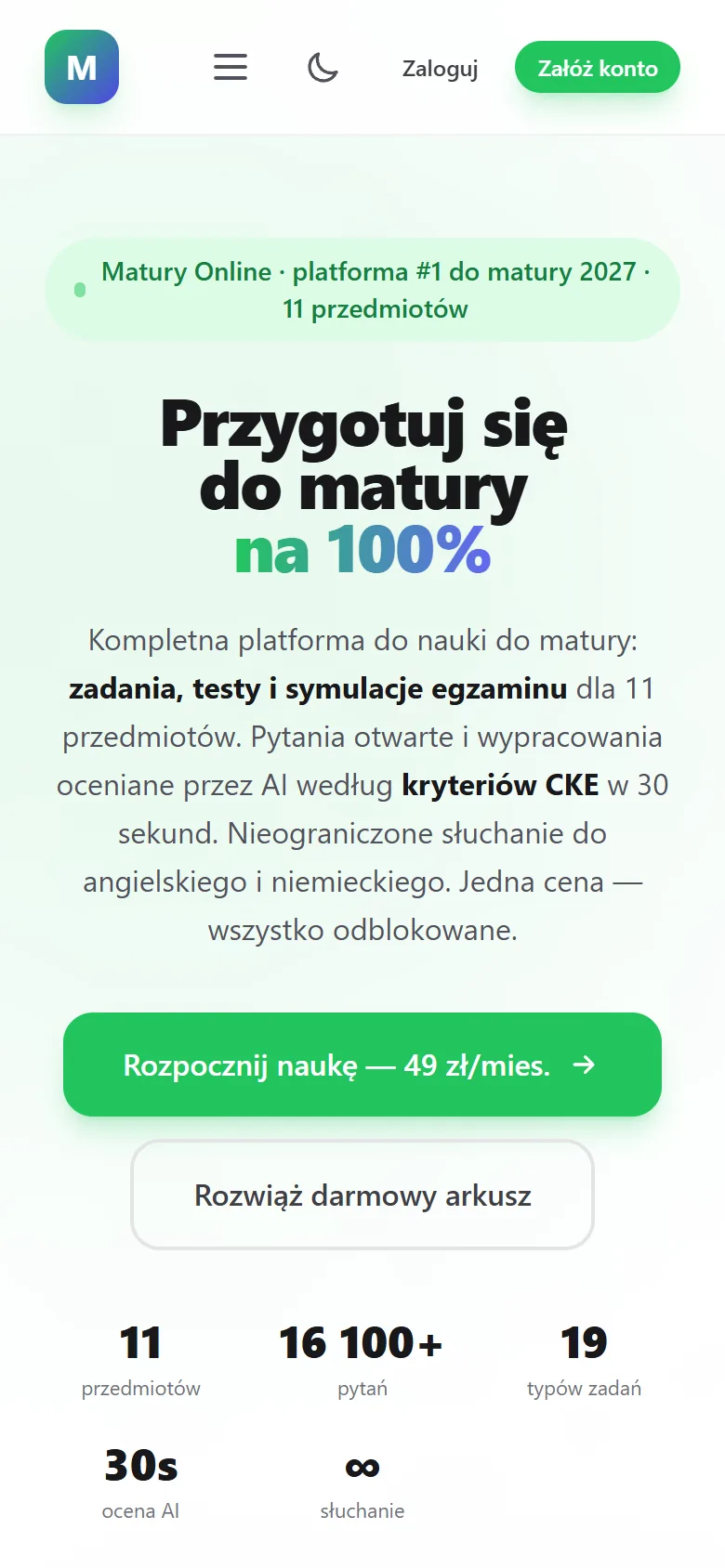
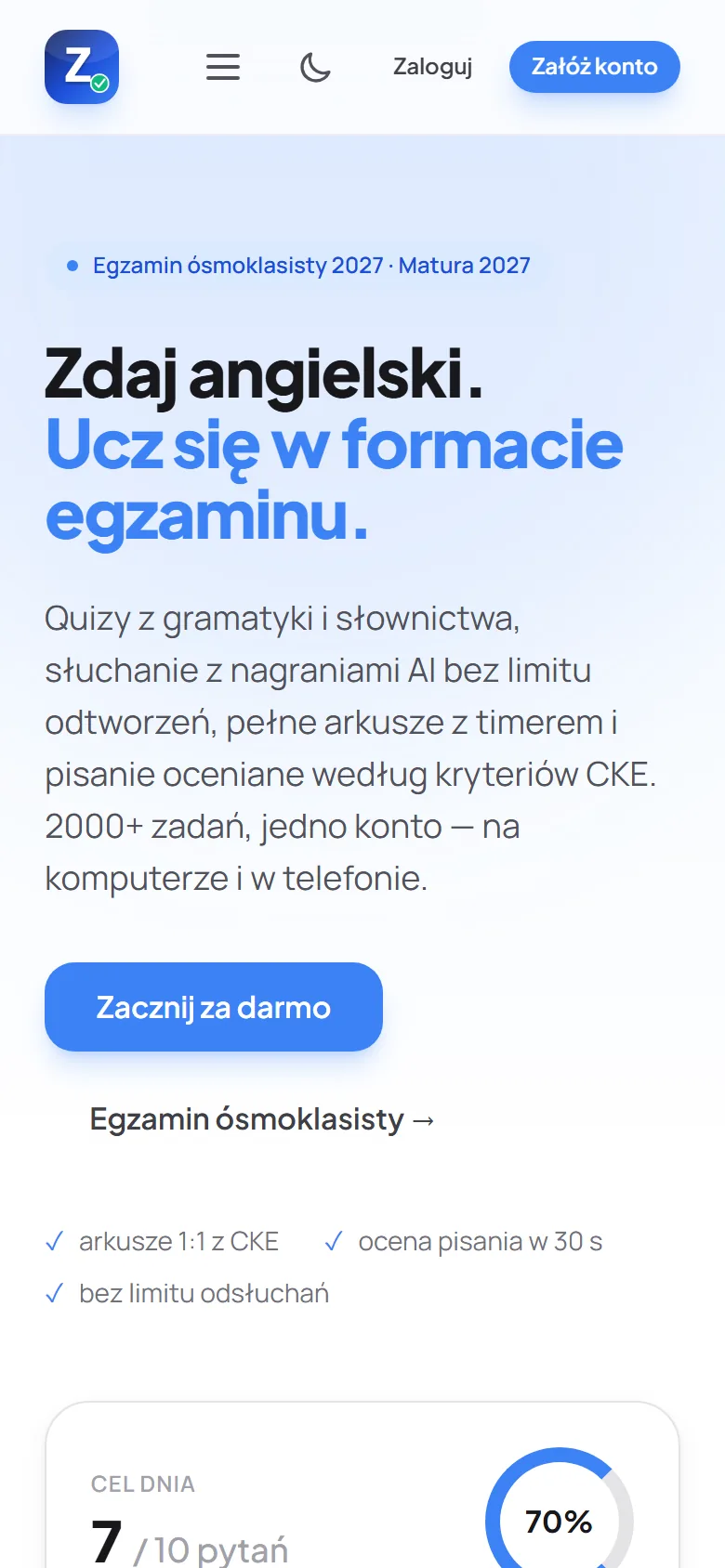
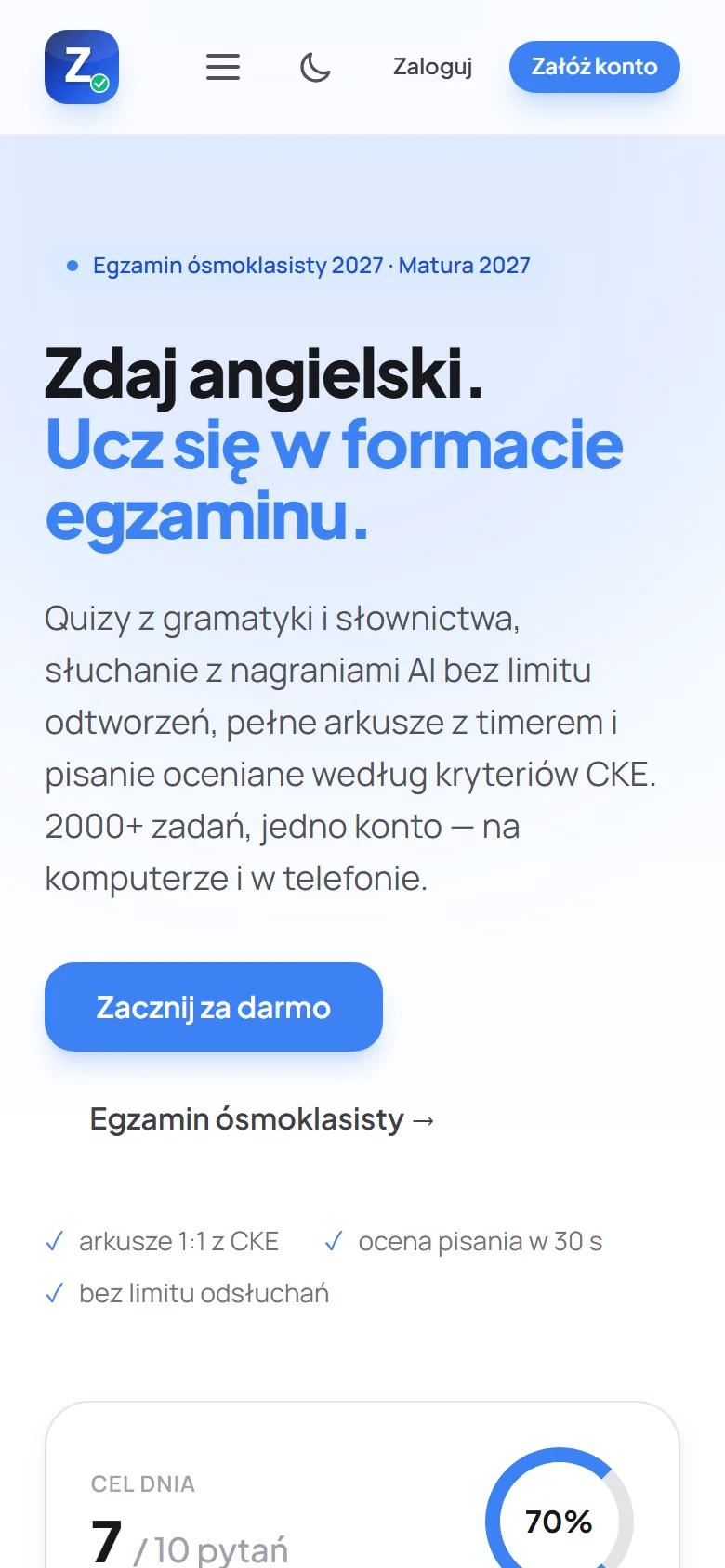
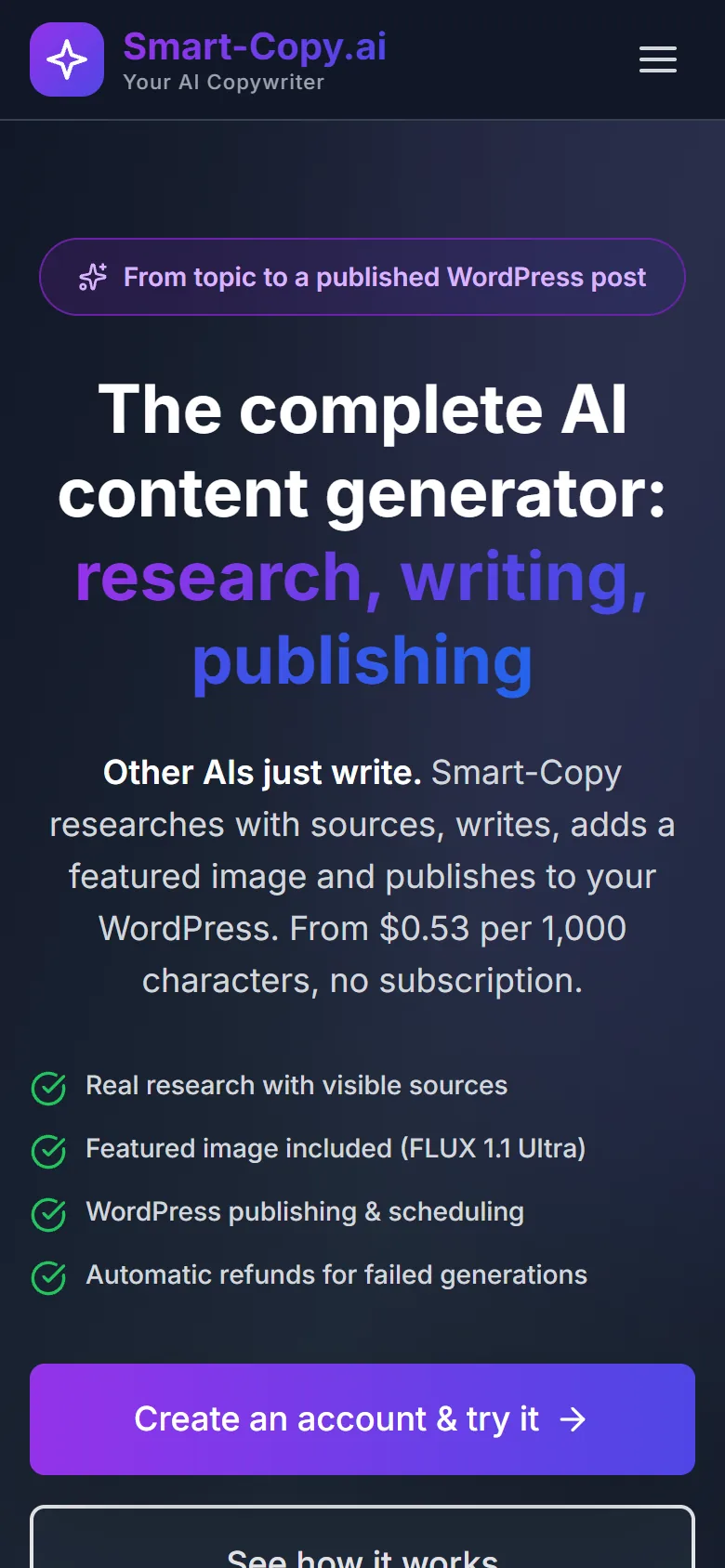
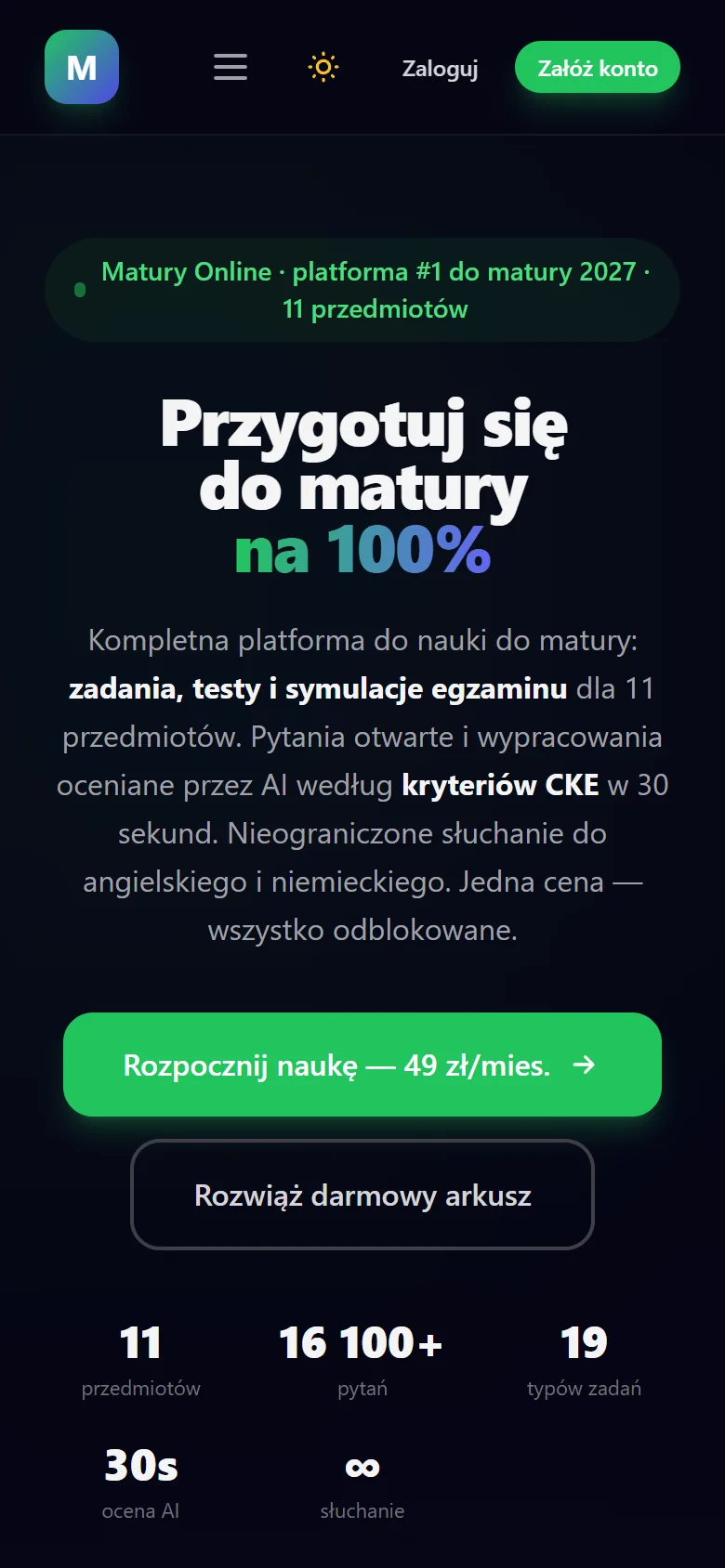
Both are available on Google Play and both run on the same backend as their browser versions.

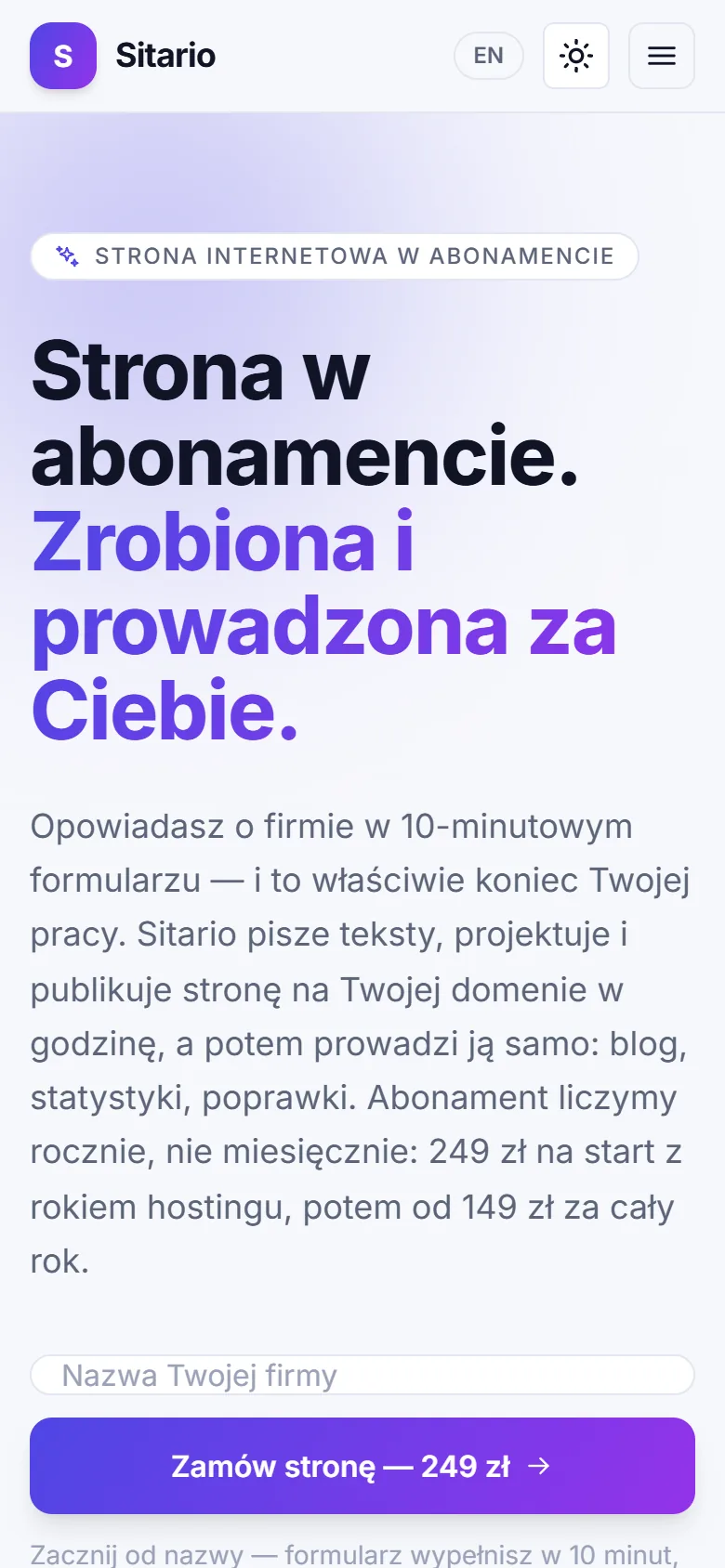
The Matury Online app The Matury Online app

Matury Online

An education app on Google Play

A student solves exercises on the phone and picks them up on the desktop with progress intact, because both versions share one backend. Listening recordings for language practice are generated during the exercise, so the app stays lightweight.

  • Shared account with the web version
  • 11 subjects
  • Released and maintained since 2025
Open matury-online.pl
The Sitario app The Sitario app

Sitario

A service app on Google Play

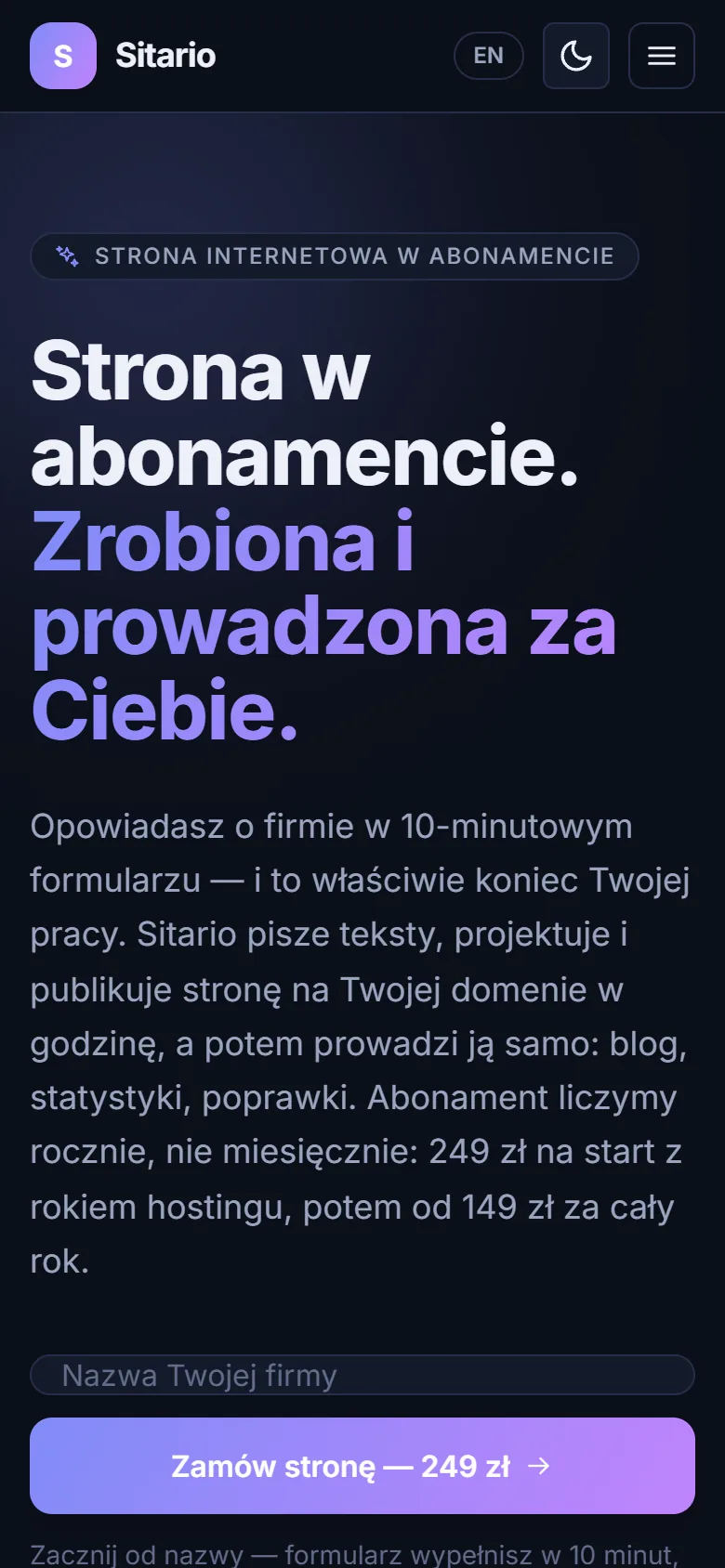
The client runs their website from the phone: statistics, content changes, and contact with support. The app shares its backend with the browser panel, so every new feature appears in both places at once.

  • Client panel on the phone
  • Shared backend with the web version
  • Released and maintained since 2025
Open sitario.com

Shared backend

The app and the website on one foundation.

This is how both of my apps work and how I build them for clients. It is the decision with the biggest effect on cost — at the start and through the years that follow.

One backend, two entrances

The mobile app and the browser version share one database and one logic. A new feature is built once and shows up in both places.

A cheaper second channel

With the backend already running, the mobile app costs a fraction of building from scratch — what remains is the interface and the release.

Consistency for years

A fix in the business rules lands in one place, so the versions stay in step months later.

One user account

The same login, the same subscription, the same data. Users switch from phone to desktop mid-task.

Technology

What it runs on.

React Native

One codebase covers Android and iPhone. A single app serves both systems, which shortens the build and lowers the cost of upkeep.

Expo

Tooling that puts new versions in testers' hands within minutes and delivers small fixes to users with no store wait.

Shared backend

Node with TypeScript and PostgreSQL on an AWS server — exactly what the browser versions run on.

Notifications

Push delivery through Google and Apple services, with audience segments and open-rate measurement.

Price

How much does a mobile app cost?

An app built together with its backend starts at 30,000 zł net. With the server, data, and browser version already running, the mobile version starts at 15,000 zł, because what remains is the interface, testing, and the store release.

from 30,000 złnet, first release

What drives the price:

  • Number of screens A ten-screen app and a fifty-screen one are different scales of design, code, and testing.
  • Backend The biggest price difference. With the server and data already running, what remains is the interface and the release.
  • Number of platforms Android and iPhone from one codebase cost less than two separate apps, but testing and release run separately for each store.
  • Device features Camera, map, barcode scanning, offline work, and in-app payments are separate modules.
  • In-app payments Store billing has its own rules and takes a separate implementation on each side.
  • Visual design An existing brand identity speeds things up; a design from scratch is its own stage.

Store fees come on your side — about 100 zł one-off at Google Play and about 400 zł per year at Apple — plus maintenance from 800 zł per month.

Calculator

Estimate the scope of your app.

Tick what it should include. The amount recalculates as you go and shows what each item adds.

Starting point
Size
Features
Release and design

Process

From idea to a store download.

  1. 01 1 day

    A conversation

    Who will use the app, how often, and what they will do in it. We also check which features belong on the website.

  2. 02 3–7 days

    Screen map

    A list of screens and user paths, split into the first release and the ones after. You approve the scope before the quote.

  3. 03 1–2 weeks

    Visual design

    Screen designs for your approval, prepared separately for Android and iPhone where the systems differ.

  4. 04 6–12 weeks

    Build

    The app grows in stages, and you get each new version on your own phone to test in practice.

  5. 05 1–3 weeks

    Store release

    Publisher accounts, documents, listing assets, and review. I see it through to approval.

  6. 06 ongoing

    Growth and care

    New features, updates for store requirements, and responses to how people actually use the app.

After release

An app needs care after the release too.

Store compliance

Google and Apple raise their requirements every year. I track the deadlines and ship updates before the store buries the app in its results.

New system versions

After every major Android and iOS update I check the app and fix what changed.

Crash reports

Errors from users' devices reach me automatically, together with the screen they happened on.

Care and growth

Maintenance from 800 zł per month: backend, updates, new releases, and replies to store reviews.

Questions

The questions I hear most often.

How much does a mobile app cost?

An app with its own backend starts at 30,000 zł net. If the browser application and server already run, the mobile version starts at 15,000 zł, because what remains is the interface and the store release. I quote after mapping the screens.

One app for Android and iPhone, or two separate ones?

I build in React Native, so one codebase covers both systems. For a typical business app this gives the same result as two separate apps, at a clearly lower cost of build and upkeep. Separate apps make sense for advanced graphics or very deep use of system features.

How long does building an app take?

The first release usually takes three to four months, counting the visual design and store review. Later versions then ship every few weeks.

What if the store rejects the app?

That is a normal stage and happens with first submissions. I answer the reviewers' notes, apply fixes, and resubmit until the app is approved. This time is part of the project.

Do I need my own Google Play and App Store accounts?

Yes, and I register them to your company so the app belongs to you. The store fees are on your side: about 100 zł one-off at Google Play and about 400 zł per year at Apple.

Will the app connect to my website or system?

Yes. That is the usual setup: the app uses the same backend as the website or panel, so data and accounts are shared. If your system offers an API, I connect the app to it.

Would a website that works on phones be enough?

Sometimes yes, and I say so on the first call. A version installed from the browser gives an icon on the screen and offline work at a fraction of the cost of a full app. An app in the store wins when you need push notifications, full access to the phone's features, and presence in the store's search.

Who owns the app and the code?

You do. The publisher accounts are registered to your company, and the code goes to a repository you fully control, together with the copyright.

What happens after the release?

The stores raise their requirements every year and the systems get major updates. Maintenance covers tracking those deadlines, shipping new versions, reacting to crash reports, and answering user reviews.

Related services

What else I do.

Projects rarely stop at one thing — here is the rest of what I do, each with its starting price.

Order

Tell me what your app should do.

A few sentences about who will use it and what they will do in it are enough. I'll reply with a proposed scope, a quote for the first release, and a schedule — usually the same day.